Students Gain Firsthand Insights at Murdeduke Angus
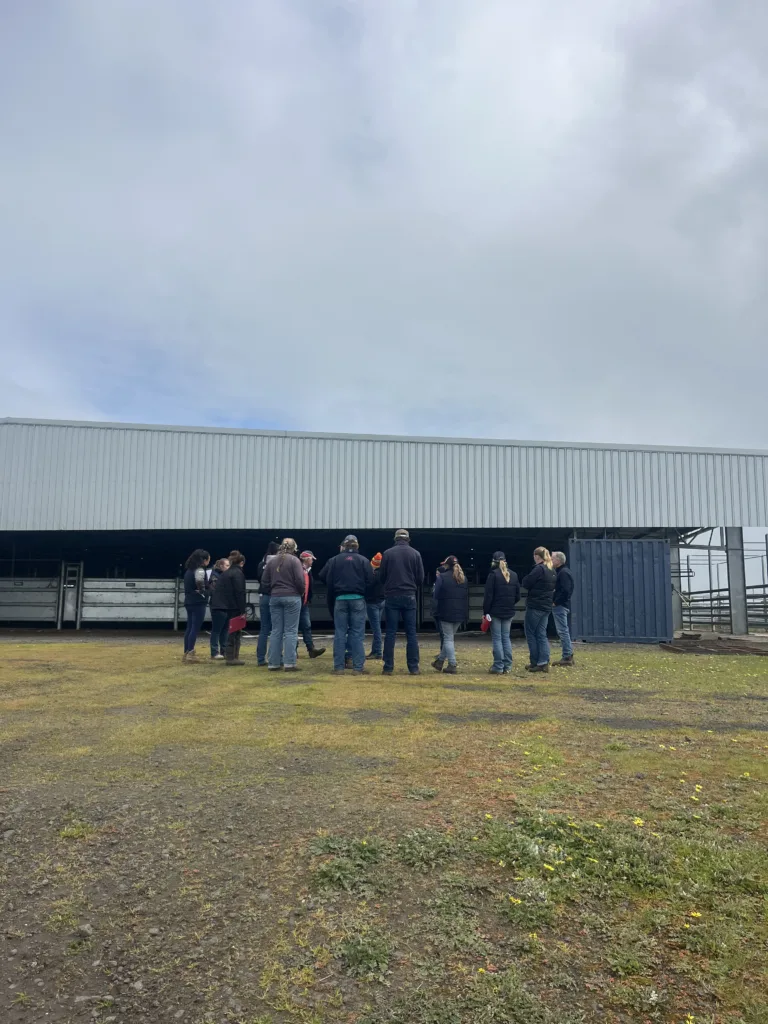
Integrated Farming Systems in Action at Murdeduke
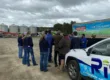
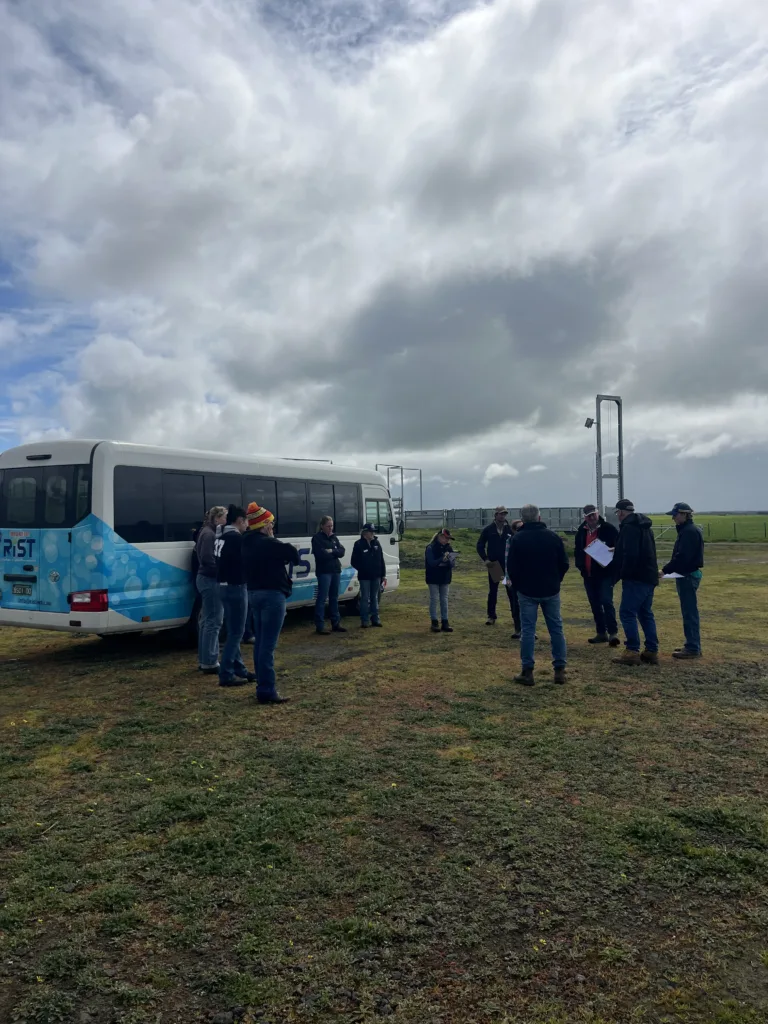
In late September, RIST Certificate IV and Diploma of Agriculture students visited Murdeduke Angus at Winchelsea, joined by trainers Tim Leemingand Sarah Hamilton for an insightful field trip that brought their studies to life.
The visit aligned with the students’ units Managing Livestock Production (AHLSK501) and Manage Integrated Crop and Pasture Production (AHCBAC510), providing an invaluable opportunity to explore how innovation, efficiency, and sustainability operate within a real-world, whole-farm system.
A legacy of innovation and leadership
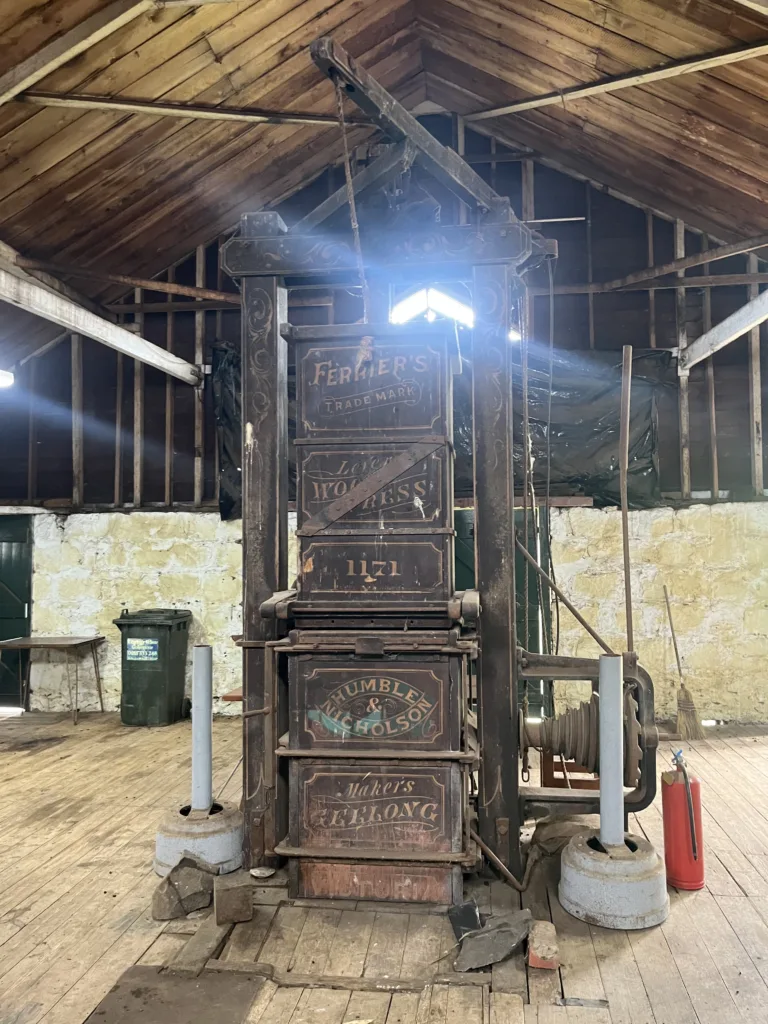
Hosted by property manager Simon Faulkiner, students gained insight into how the enterprise has evolved and diversified. Simon’s passion for livestock and land management has seen him dedicate decades to managing the 1,000-head Angus stud, now a cornerstone of Murdeduke’s mixed farming operation.
First-class livestock handling facilities
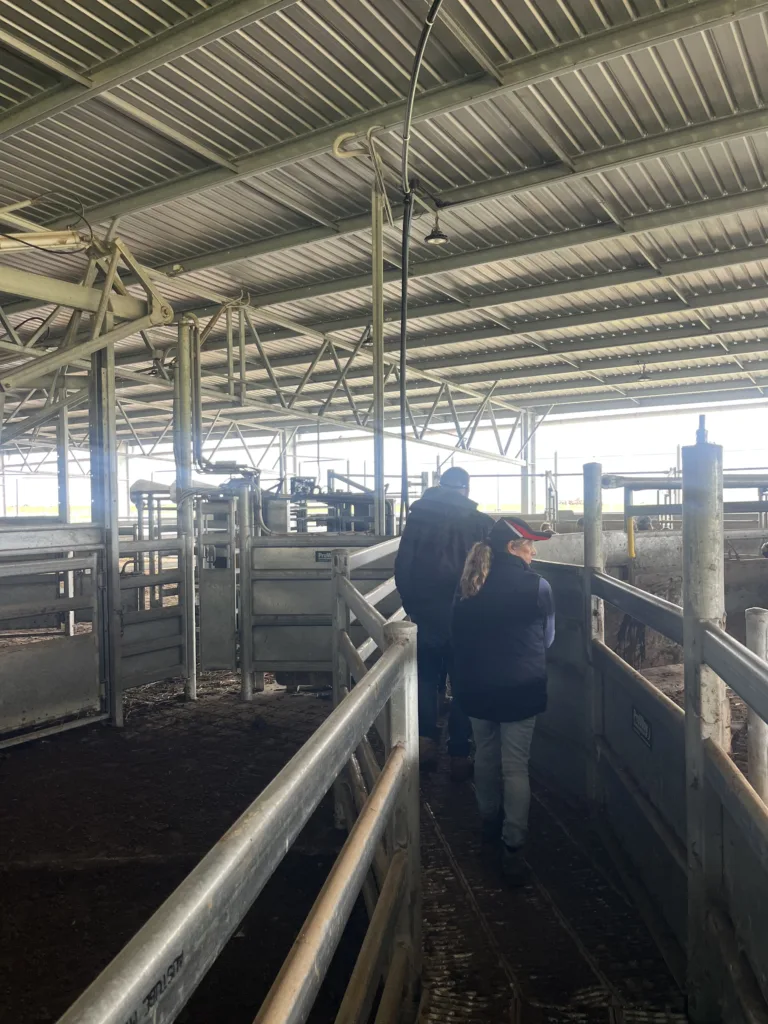
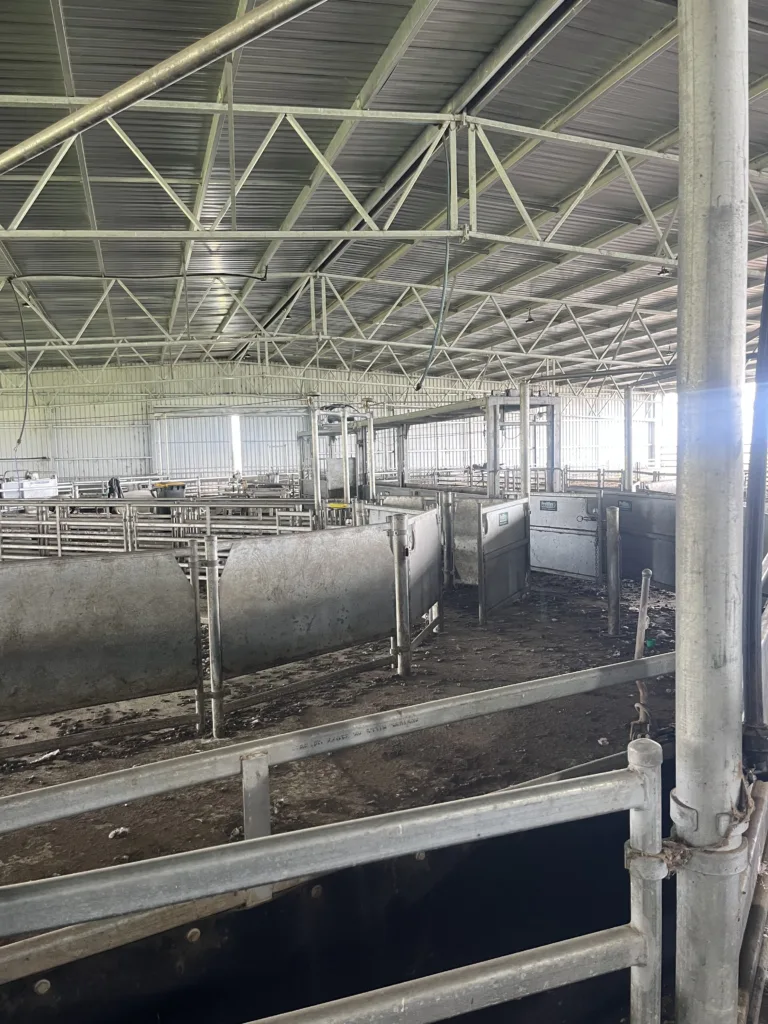
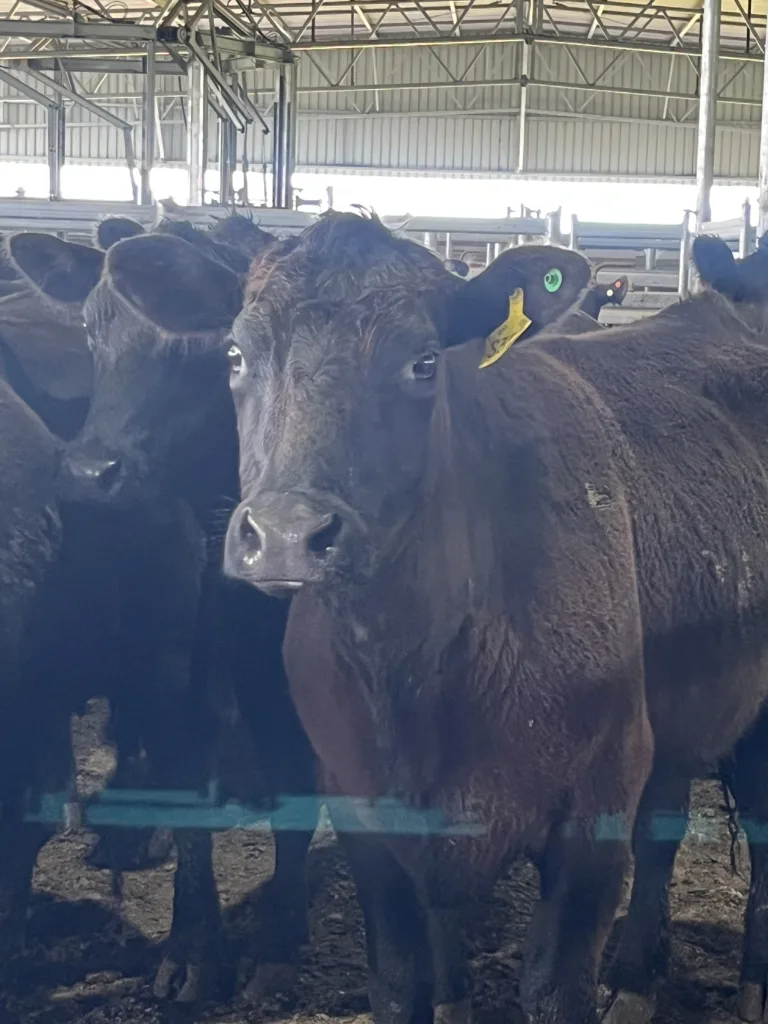
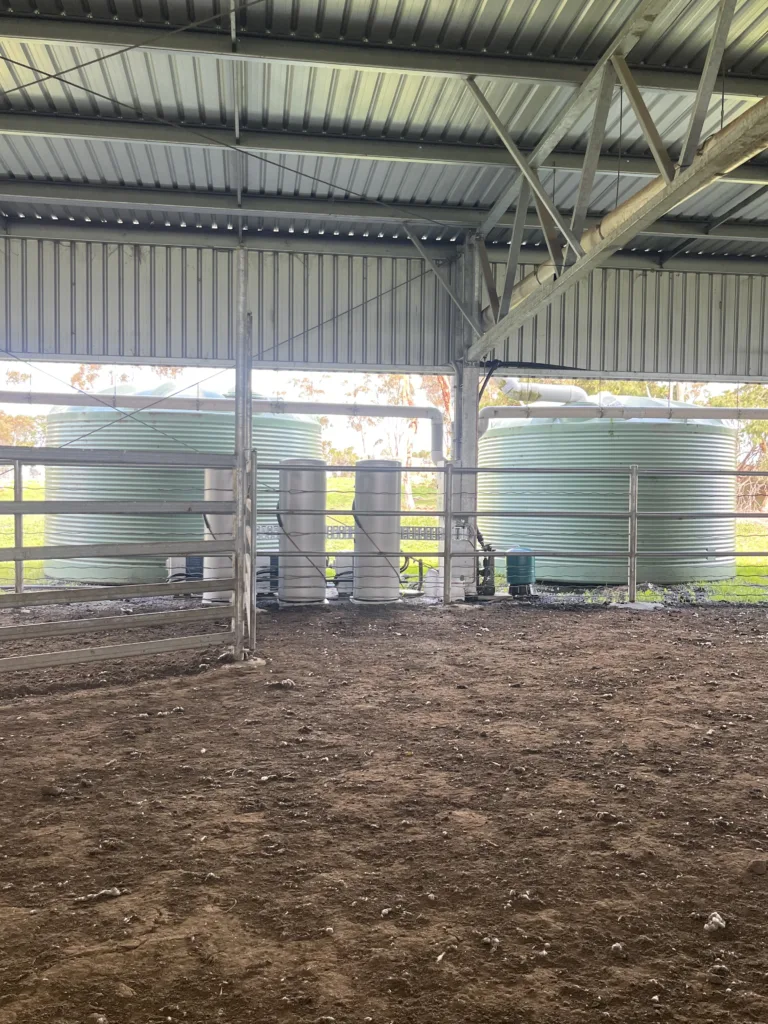
The tour began at the newly upgraded undercover Proway cattle yards, which have revolutionised animal husbandry at Murdeduke. These purpose-built facilities:
• Prioritise staff and animal safety
• Minimise the need for workers to enter pens
• Enable low-stress cattle handling
• Improve efficiency with guillotine gate systems
Students also viewed the nearby undercover sheep yards, a further demonstration of Murdeduke’s commitment to efficiency and welfare across all livestock operations.
Integrated cropping and grazing systems
Across the property, students observed how young sale bulls are strategically grazed on cereal and canola crops, a practice that not only supports growth and performance but also improves pasture rotation and cropping yields.
Once a merino and cropping enterprise, Murdeduke has transitioned to include prime lamb production alongside its renowned Angus stud, reflecting both industry evolution and market demand.
Integrated cropping and grazing systems
Across the property, students observed how young sale bulls are strategically grazed on cereal and canola crops, a practice that not only supports growth and performance but also improves pasture rotation and cropping yields.
Once a merino and cropping enterprise, Murdeduke has transitioned to include prime lamb production alongside its renowned Angus stud, reflecting both industry evolution and market demand.
Soil, water, and system innovations
Simon shared how soil and water management form the foundation of Murdeduke’s success. A desalination plant, installed two decades ago, has significantly reduced salinity, enhancing livestock health and productivity across cattle, sheep, and pigs.
Students learned about key management strategies, including:
• Containment feeding to protect soil and pastures during dry conditions
• Composting systems that recycle manure and straw to improve soil fertility
• Stubble retention to reduce erosion and support soil health
The Otway Pork connection
A highlight of the day was learning about Otway Pork, a complementary enterprise that integrates pigs into Murdeduke’s rotational system. Students discovered how pigs contribute to pasture regeneration, nutrient cycling, and composting, while producing high-quality pork for market. Using home-grown straw for bedding further reduces costs and enhances biosecurity.
Lessons in crop and pasture management
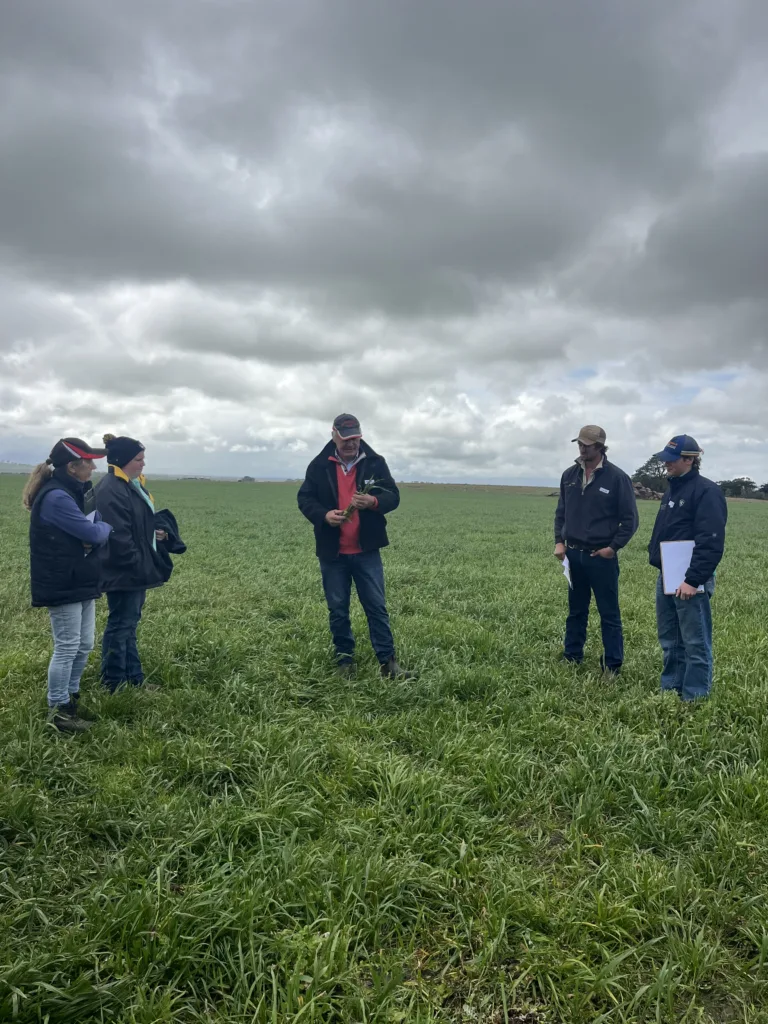
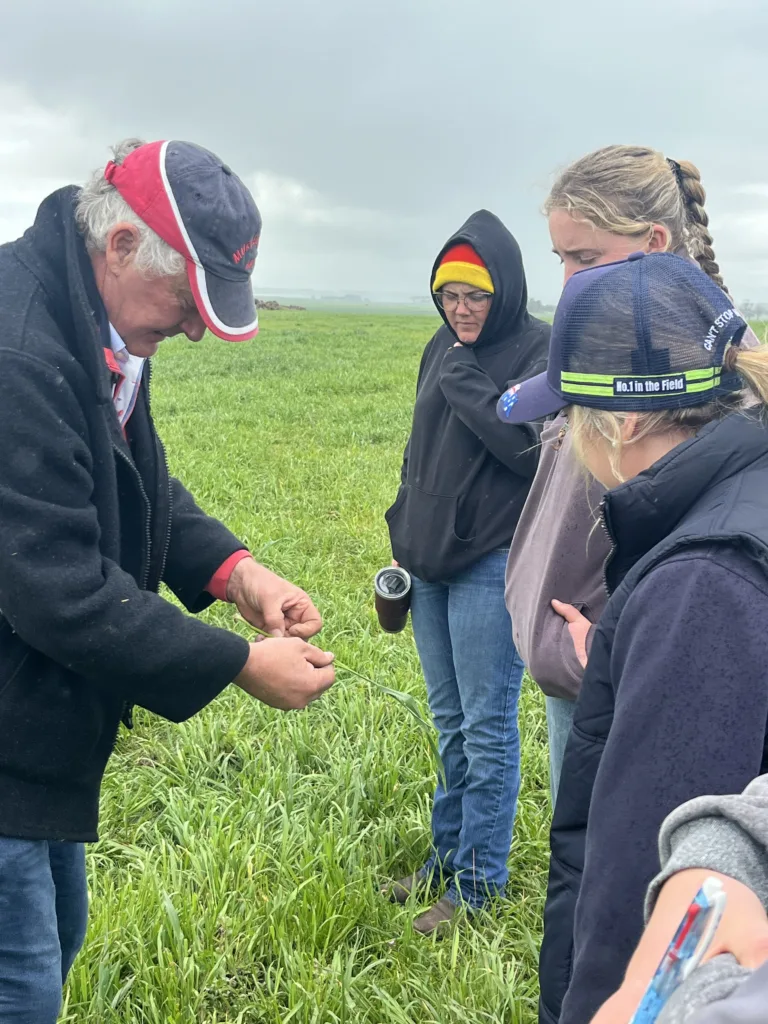
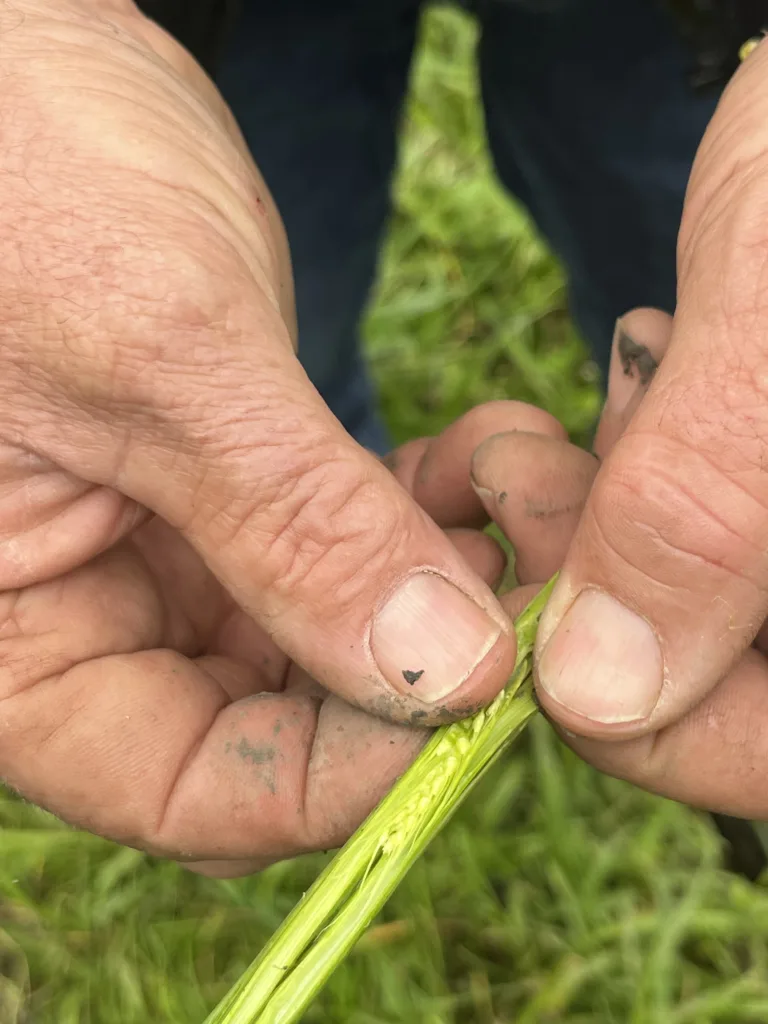
In the paddock, Simon provided practical demonstrations on cereal crop management, explaining how to identify growth stages (GS30), monitor nodulation, and protect the flag leaf, vital for maintaining yield potential. These sessions gave students a clear understanding of how to balance grazing management with crop productivity in a mixed-farming environment.
A valuable day of learning
The visit offered students the chance to connect theory with practice and see integrated, sustainable farming systems in action. From advanced livestock infrastructure to innovative soil and water management, Murdeduke provided a living example of how considered design and management underpin a thriving agricultural enterprise.
As Sarah Hamilton (Program Support) reflected:
“Simon’s depth of knowledge in livestock, soil, and crop management left a strong impression on us all. The students and staff thoroughly enjoyed the day and we’re already looking forward to the chance to return.”
Interested in studying agriculture with RIST in 2026?
We’re opening enrolments for Certificate II and Certificate III in Agriculture courses in November!
If you’d like to be added to the waitlist and be first to know when enrolments open, register at the button below.